

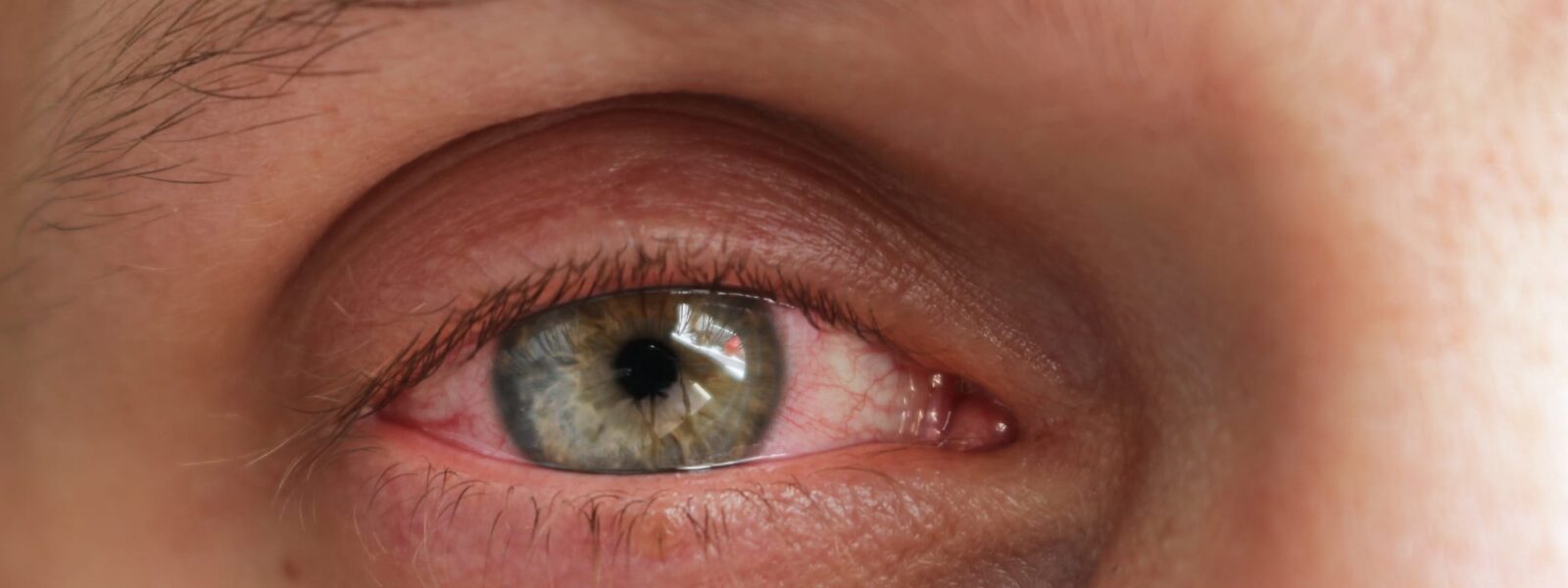
Glaucoma - what is it actually?
Under the Term glaucoma, Glaucoma, which is technically referred to as glaucoma, summarises various eye diseases that cause damage to the optic nerve and retina. Glaucoma is the second most common cause of blindness worldwide.
There are many causes of glaucoma. However, intraocular pressure plays a key role. In most cases of glaucoma, the intraocular pressure is elevated above a defined normal value. If intraocular pressure remains elevated for a long period of time, this can cause permanent visual field defects. As a person affected, this impairment only becomes noticeable when the optic nerve is already severely damaged. However, the existing damage can then no longer be reversed. As glaucoma does not show any symptoms at an early stage, it is important to have regular eye pressure checks from the age of 40.
The treatment of glaucoma
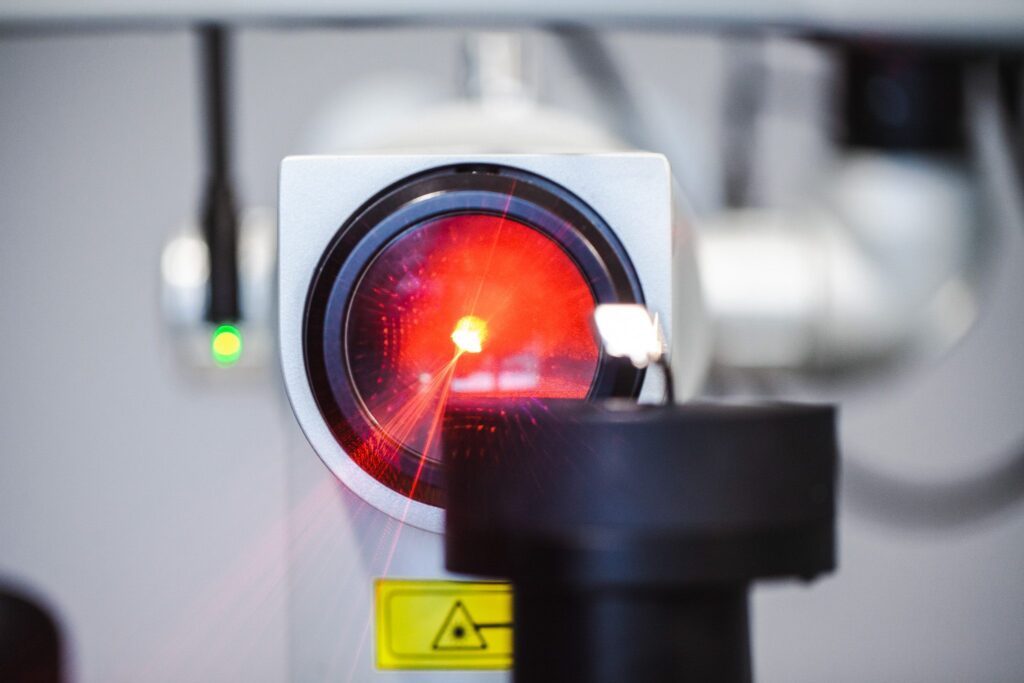
Depending on its severity and form, glaucoma can be treated in different ways. We explain how:
Laser coagulation
Special forms of secondary glaucoma can be treated with laser coagulation. Secondary glaucoma is always the result of another disease, such as severe diabetic changes to the retina or secondary changes following retinal vascular occlusion. In laser coagulation, focussed laser beams are aimed directly at the damaged areas of the retina. This results in thermal destruction of the absorbing tissue, which can be precisely dosed using pulsed laser beams. In this way, laser coagulation treats the retina and prevents the proliferation of further blood vessels. Pain-relieving and anaesthetic eye drops are administered before the procedure.
Laser iridotomy
If you have narrow-angle glaucoma, this can be treated with a so-called laser iridotomy. A laser is used to create tiny holes in the iris. These serve as an additional flow opening for aqueous humour circulation between the anterior and posterior chamber of the eye. The anterior chamber deepens as a result of the treatment and the intraocular pressure is reduced due to the improved drainage of the aqueous humour. This minimises the risk of a glaucoma attack.
Sclerotherapy of the ray body
The iris produces the aqueous humour of the eye. Sclerotherapy uses concentrated cold or heat to destroy part of the iris, which reduces the production of ocular fluid. Less fluid in the eye also results in less pressure on the optic nerves and the retina. Ideally, the intraocular pressure remains so well regulated after the procedure that no further damage results.
Valve operation
During a valve operation, a tiny plastic tube is inserted from the anterior chamber of the eye through the eye shell into the outer layers of the eye. This allows the aqueous humour to drain better from the inside of the eye. The pressure inside the eye is thus considerably reduced and very often leads to a stabilisation of the findings.
Selective laser trabeculoplasty
SLT treatment, also known as selective laser trabeculoplasty, aims to improve the drainage of the aqueous humour in the eye. This is particularly important in the case of glaucoma, as the balance between production and drainage ensures an equalised intraocular pressure. The main aim of SLT treatment is to preserve your vision and protect the optic nerve from (further) damage.
The SLT laser activates the pigment cells of the eye with ultra-short light pulses. The aim is to stimulate these cells with the laser light and thereby activate their self-healing process. The aim is to restore the balance of aqueous humour outflow. The pressure-reducing effect following laser treatment often lasts for a long time. The surrounding tissue is not affected. SLT treatment can be performed on an outpatient basis with anaesthetic eye drops. The procedure is virtually painless and usually only takes five to ten minutes. The laser application can be repeated several times if necessary.
After a few weeks, the eye pressure should be significantly lower than before the treatment. If the intraocular pressure rises again later, the treatment can be repeated without hesitation. If the pressure-lowering effect of SLT alone is not sufficient, additional eye drops can be used to further lower the intraocular pressure.
SLT laser therapy is one of the treatment specialisations at BeyondEye. Incidentally, the costs are covered by statutory health insurance.
SLT treatment may be suitable for you if you suffer from one of the following conditions:
What are the risks of glaucoma surgery?
Surgical procedures on the eye are never without risks. In extreme cases, all of the above procedures can lead to an infection in the eye or a clouding of the crystalline lens. Existing visual field defects can also increase. Corneal damage can also occur. During the treatment of glaucoma, the intraocular pressure can also fluctuate. In rare cases, allergy sufferers may experience a circulatory shock.
This is another reason why personalised and comprehensive advice is essential in the run-up to a planned procedure. This enables us to weigh up the personal health risks. At BeyondEye, we attach particular importance to this - so you are in safe and professional hands with us.